How Drive to Survive changed F1 fandom and racing culture
Drive to Survive has been a hugely successful in bringing new fans to F1, but here’s how the documentary has changed the way people interact with racing.
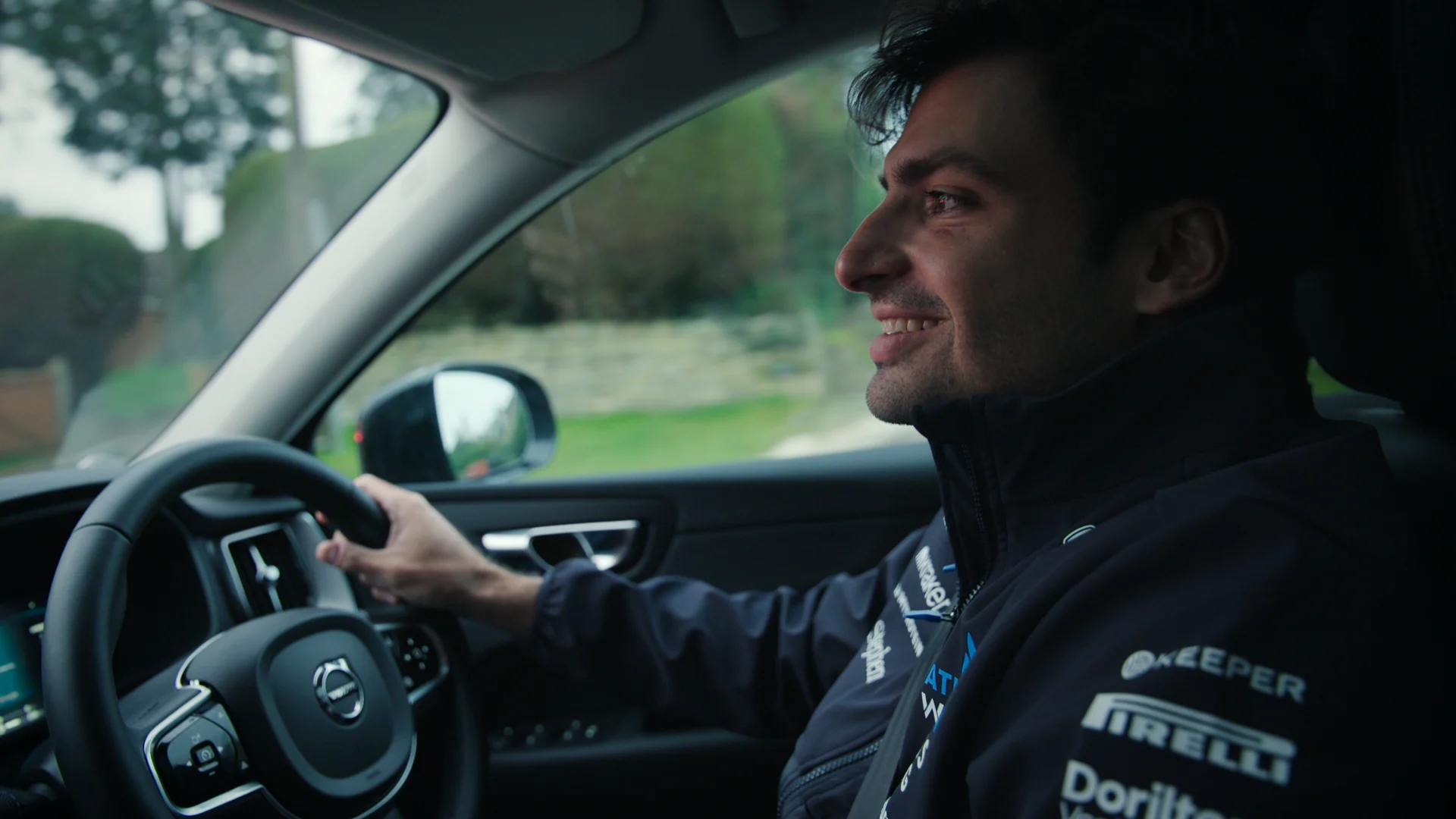
When Drive to Survive launched in 2019, it offered fans something they had rarely seen before: a behind-the-scenes glimpse at life inside Formula 1. What began as a documentary experiment has since merged into an important part of the sport’s identity, bringing new audiences into the paddock and reshaping how the sport is followed around the world.
As Season 8 drops ahead of a brand-new chapter of F1 action, kicking off with the Australian Grand Prix weekend from March 6-8, the impact of Drive to Survive can be seen everywhere – from packed grandstands and new race locations to social media feeds – proving the show has become far more than an accompaniment to the racing...
The Origins
After Liberty Media’s acquisition of the sport in 2017, Drive to Survive became the ideal format to bring the Formula 1 world to a wider audience, especially the younger generation. The original idea for the behind-the-scenes documentary was to focus on one team, but after a meeting with a familiar F1 figure, executive producer Paul Martin had hit on the show’s unique selling point.
Speaking back in 2020, Martin said: “We had a meeting in Abu Dhabi with [former Haas Team Principal] Guenther Steiner, and literally within the first two minutes of talking with him, we were like, 'Well, that guy's a character!'
"There was just a feeling the moment we met him that if people were willing to talk about the sport and be as honest as this guy, then actually we could end up with a pretty phenomenal show.”
F1 can be a daunting sport to get into, but Drive to Survive's success hinges on the ability to tell relatable stories. Since the first season in 2019, the show has covered much more than just podium fights – including contract negotiations, midfield rivalries, driver backgrounds, the pressure on team principals, and the demanding nature of an F1 season.
Executive Producer James Gay-Rees quickly realised the gateway that this provided to new fans, as people resonated with the drivers’ traits and the drama of racing.
Speaking in 2023, he said: “Bringing such a big new audience to a sport – which obviously was deserved, it just needed somebody to open it up – is massively satisfying.”
Driver personality and a new kind of fandom
Perhaps the show’s most lasting contribution has been the spotlight it has placed on the personality within the grid. Drivers have seen their global profiles grow as audiences were able to gain insight into their journeys, motivations and setbacks like never before.
Not only this, but team principals also stepped out of the shadows of the garages into the foreground, with a number of bosses becoming household names beyond motorsport circles.
While historically fans tended to support F1 teams thanks to family preferences or purely performance-based reasons, for many newer viewers, support has often begun with an individual driver rather than a constructor. Fans can find themselves drawn to a particular character arc – whether an underdog, a comeback, or a championship pursuit that immerses us into more than just the outcome of a season.
This shift has broadened the appeal of the sport without altering its competitive core. The stakes remain as high as ever – but what has changed are the reasons why people now feel personally invested when lights go out...
Everyone is talking about it
Whilst celebrity attendance is nothing new in the sport (especially with some of the classic races such as Monaco), the difference is now the context. Many arrive in the paddock not just as casual guests, but now as informed fans who understand the sport and the narrative arcs that play out across each season.
Among them is Ed Sheeran, who has admitted to bingeing the series and becoming a big fan of the sport. So much so that last year Sheeran featured on the award-winning soundtrack for F1 The Movie – yet another sign of Drive to Survive’s cultural influence!
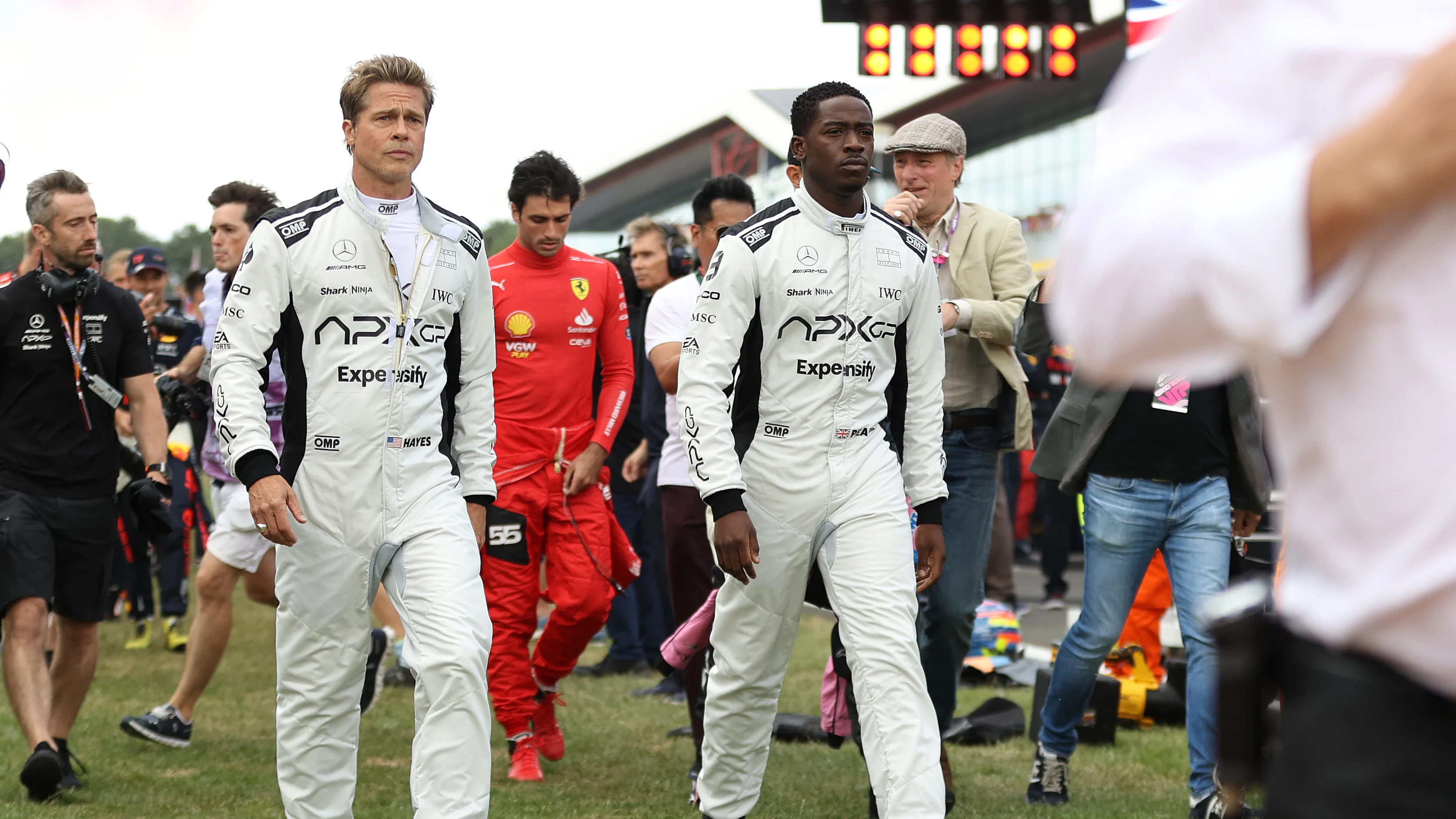
Stars of F1 The Movie Brad Pitt and Damson Idris admitted they have also binge-watched the show, with the movie’s production highlighting how the documentary has given creators a platform to push Formula 1 further into the world of film and culture. Music, TV and film all work hand in hand with racing better than ever before, and Drive to Survive is a big reason behind that.
The show has been so successful that it has become a blueprint for other collaborations between Netflix and sport. Box to Box Films has used the Drive to Survive blueprint for Full Swing (golf), Break Point (tennis), Tour de France: Unchained (cycling), Six Nations: Full Contact (rugby), and Sprint: The World’s Fastest Humans (athletics).
The gateway into motorsport
Drive to Survive has done a fantastic job in drawing people who were just scrolling on Netflix into the world of motorsport. While some fans will enjoy tuning in to each season for their racing fix, many are quickly looking for more to satisfy their racing itch.
And with sessions broadcast all over the world, drivers’ and teams’ social media producing more content, influencers and creators building audiences, and the multitude of ways to consume F1-adjacent content, the pathway to becoming a motorsport superfan is more defined than ever.
Next Up
Related Articles
 ‘It’s happened too many times’ – Russell on Bahrain DNF
 Verstappen wins Bahrain GP in Malaysia as Russell retires
 What the teams said – Qualifying in Malaysia
 Hamilton on how Ferrari ‘hit the sweet spot’ in Malaysia
 Betting5 betting lessons after Verstappen wins Bahrain GP
/GettyImages-2298357933.webp) Russell left perplexed by Qualifying pace in Sepang
Russell left perplexed by Qualifying pace in Sepang