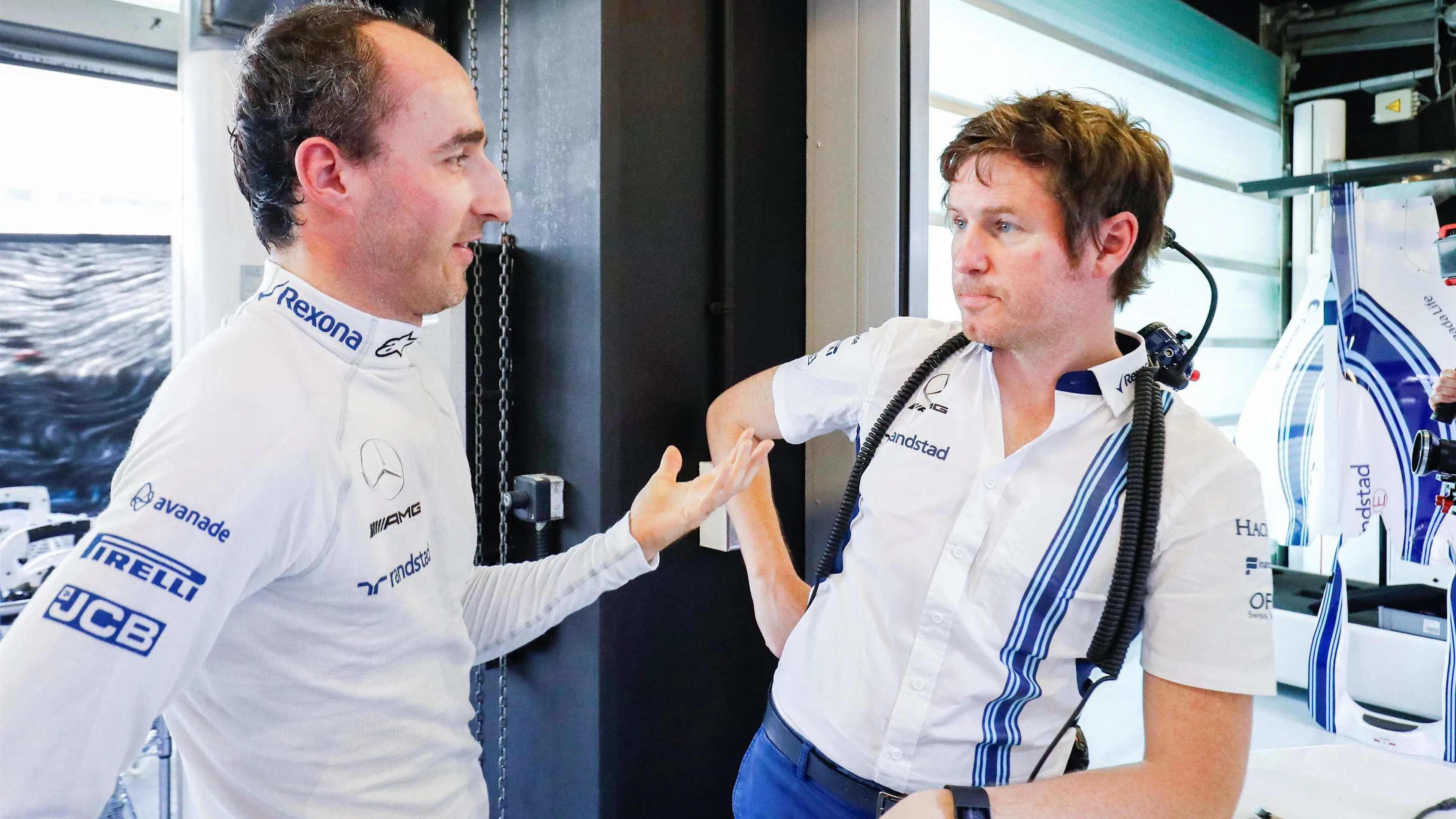
Turning up to Barcelona with a car that’s slow is not a good feeling. But it’s also not the end of the world.
In truth, you never really know where you are in Barcelona. You get a broad idea, of course, and everybody obsesses about who’s quick and who’s not, and people spend an inordinate amount of man hours trying to understand the pecking order. Personally, I always think that it’s interesting to spend a little bit of time, a little bit of your engineering resource into trying to understand that. But really, you’re going to get a good idea in two weeks’ time in Australia anyway.
Testing explained: Rob Smedley on what happens when it all goes wrong
So why would you bother to spend that resource in trying to understand if you’re quick or not? It really goes back to correlation – which I talk more about here. Are you correlating around Barcelona to the gains you expected to make from the data you gathered in your simulations, and if you are, then does that put you more or less where you expected to pop out? And if there’s a huge anomaly, it’s trying to understand it.
So it’s really just question of seeing how much work you’ve got in front of you and whether or not you need to divert some of the attention from your test programme into understanding why your car’s not quick. Or you might say, well, I think I’m more or less in the right ballpark, I’ll know for sure in two weeks’ time in Melbourne, so I’ll just carry on going through my due diligence on the new car – and ignore the stopwatch.
Next Up
Related Articles
 UnlockedWhat To Watch For in the Italian Grand Prix at Monza
 Duerksen wins F2 Monza Sprint Race from seventh
 OFFICIAL GRID: Who starts where for the Italian GP
 Betting5 betting lessons after Antonelli's Monza masterclass
 Ferrari's Italian GP result 'devastating' – Hamilton
 UnlockedWhat are the tyre strategy options for the Italian Grand Prix?