From hand signals to ‘flying blind’ – 6 times drivers improvised after losing radio during a race
After Max Verstappen's radio difficulties at the Singapore Grand Prix, F1.com looks back at other occasions where drivers have lost communication with the pit wall.

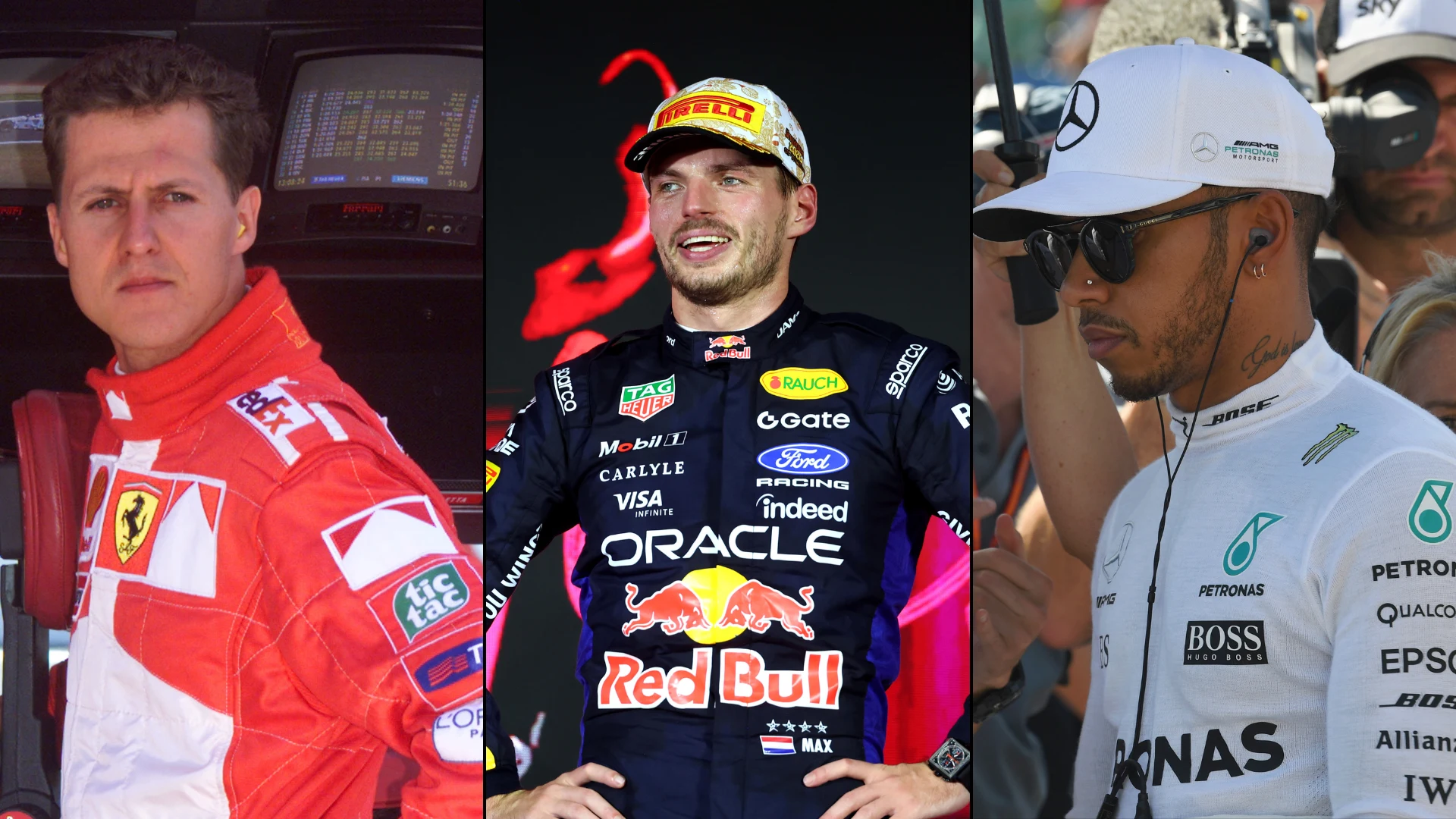
Max Verstappen might have sealed a dominant victory at the Singapore Grand Prix last weekend, but his race was not entirely without hiccups – the four-time World Champion having suffered issues with his radio during the event.
While Verstappen could hear his Race Engineer Gianpiero Lambiase, the Dutchman’s responses were inaudible – leading to some creative solutions from Lambiase, who developed a code of sorts by asking yes/no questions where Verstappen either had to stay silent or respond with a button press. The Red Bull team also made use of pit boards to communicate with their driver.
Verstappen is not the only driver to experience this kind of problem during a race, with several other well-known names facing radio glitches in the past – sometimes with very interesting consequences…
Sebastian Vettel and Mark Webber, 2012 Malaysian Grand Prix
While only one of Red Bull’s cars appeared to be suffering radio issues at Marina Bay in 2026, the team have previously seen this affect both sides of the garage – as was the case in the rain-affected 2012 Malaysian Grand Prix.
After the race was suspended due to heavy downpours, it soon became apparent when the action resumed that Sebastian Vettel and Mark Webber were experiencing communications problems. Initially this did not seem to be hampering Vettel too much, who was running in fourth while relying on the pit board.
However, after a late-race collision with Narain Karthikeyan while lapping the HRT, the team tried to call Vettel in for safety reasons – only for him not to hear the message. The German still managed to get his car over the line in P11, but conceded that losing radio had made the Grand Prix “very difficult”.
As for Webber, a fourth-place finish was a solid result on such a tough day yet it was not without its frustrations, the Australian admitting that he had resorted to tearing the radio out of his helmet due to the loud static becoming a distraction in already challenging conditions.
Michael Schumacher, 1999 French Grand Prix
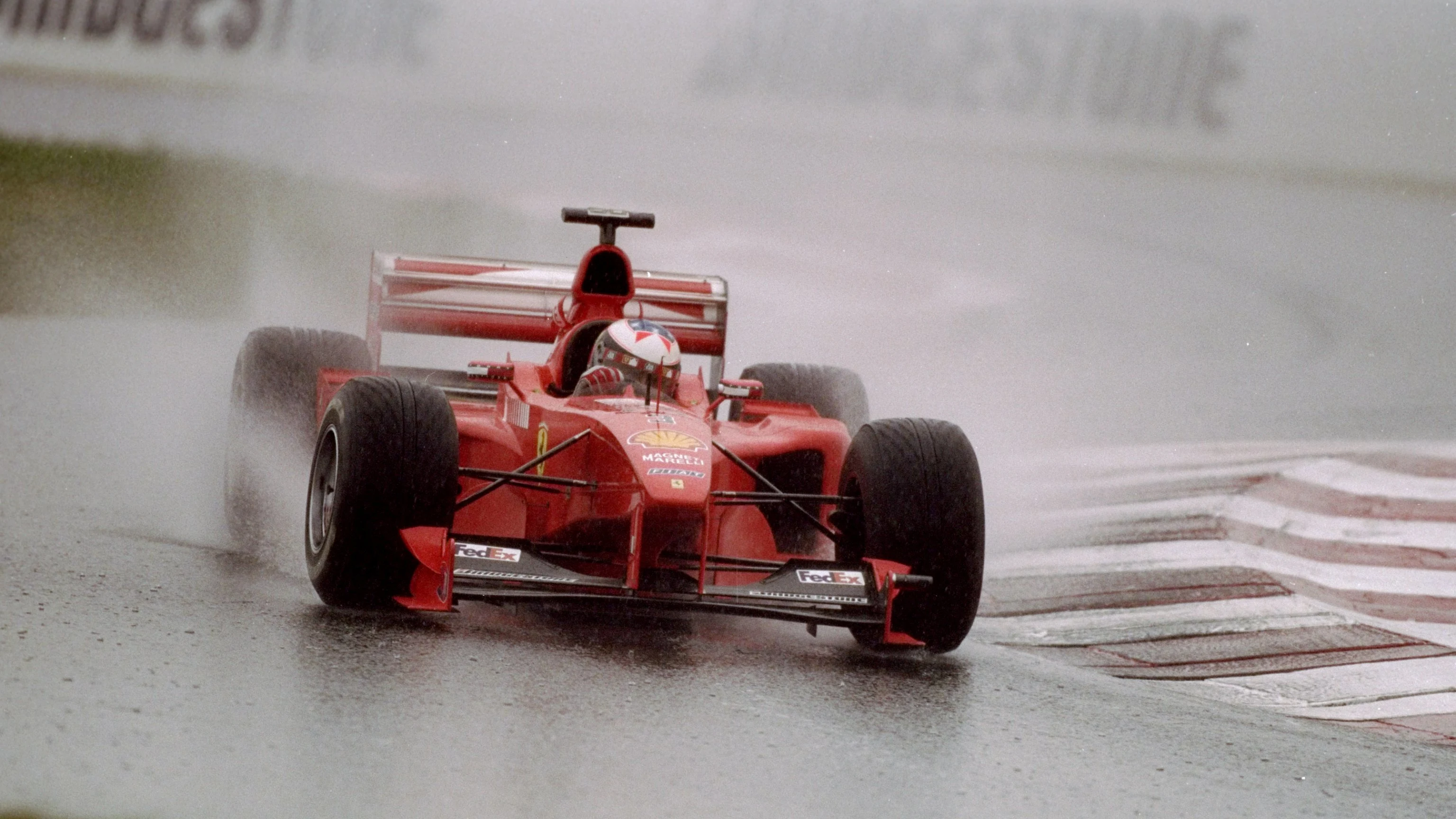
Michael Schumacher made a number of memorable overtakes during his hugely successful F1 career – but it was some moves of a different kind from the German that caught the eye when disaster struck at the French Grand Prix in 1999.
In a rain-hit encounter at the Magny-Cours Circuit, Schumacher was looking to add further points to his tally as he battled reigning champion Mika Hakkinen for the title. That goal hit a snag, though, when the Ferrari lost communication with the pit wall.
Some quick-thinking from Schumacher resulted in a resolution of sorts, however, as the then-two time World Champion started to use hand signals towards his onboard camera to communicate with the team – given that he could be seen but not heard.
While this could not prevent him from ultimately ending the race back in fifth following a slow pit stop, it was certainly a noteworthy response to the radio problems.
Alex Albon, 2025 Las Vegas Grand Prix
For many drivers, losing communication during a race can be a hugely frustrating – and potentially result-affecting – occurrence. However, it seems that there can be some silver linings...
Alex Albon spent much of the 2025 Las Vegas Grand Prix without functioning radio after losing connection on his laps to the grid, leading him to quip afterwards that it was “pretty peaceful out there”.
On a more serious note, though, the Williams driver admitted that this had left him in the dark about how much damage he might be carrying following an incident at the start of the race, with communication limited to the pit boards.
Albon ultimately retired from the event rather than risk continuing due to the threat of safety issues, highlighting just how vital radio messages can be during a Grand Prix.
Max Verstappen, 2021 French Grand Prix
Verstappen’s success in Singapore despite his communication difficulties was impressive – and it appears to be an area that the Dutchman has form in.
Back in 2021, Verstappen was locked in a famously tense title fight with Lewis Hamilton and the Mercedes team. The Red Bull man held the lead in the standings when the paddock headed to Paul Ricard for the seventh round of the campaign, the French Grand Prix.
A two-stop strategy helped Verstappen to overtake Hamilton for the lead with just two laps remaining, giving the former his third victory of the season – despite the fact that, like in Singapore, a radio problem in the latter stages meant that he could receive his team’s messages but they could not hear him.
While Lambiase had advised him to try moving the microphone when convenient, the gremlins remained until the chequered flag – but the Dutch driver later played down the impact of the issue, given that it had only occurred after he had completed his pit stops.
Charles Leclerc, 2023 Hungarian Grand Prix
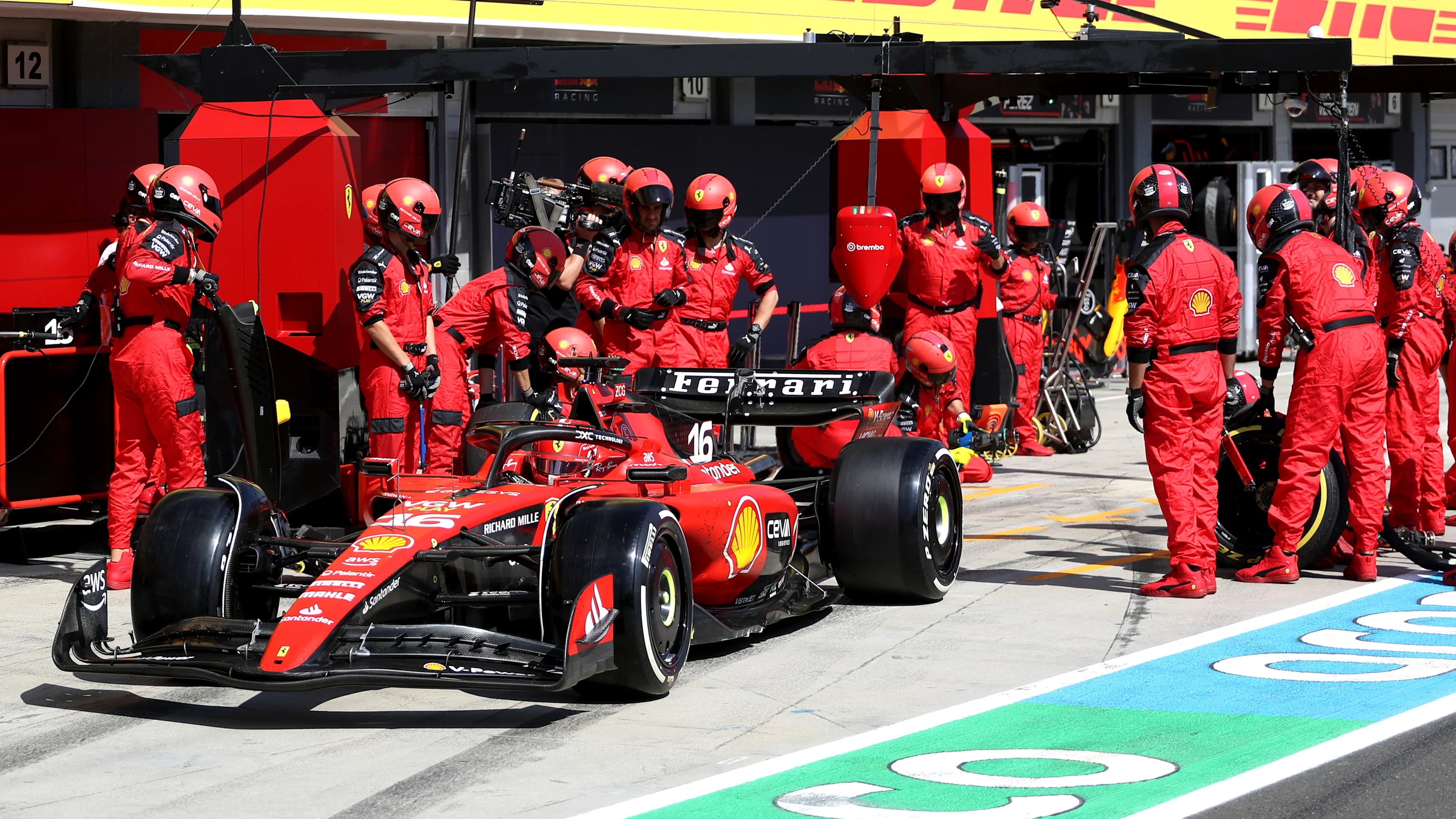
Although some drivers appear to take radio glitches in their stride, the problem is undoubtedly difficult and can lead to frustrations boiling over – particularly when coupled with other issues, as Charles Leclerc discovered at the Hungarian Grand Prix in 2023.
It was not the Monegasque’s day at the Hungaroring, where he experienced everything from his drinks tube being too short – meaning that he had no water during the race – through to a slow pit stop and then a five-second time penalty for speeding in the pit lane.
On top of this, Leclerc – who ended the event in P7 – suggested later on that struggles with the radio had been one of his key gripes during the race, explaining: “One out of four words is not understood by my engineer, because there's just problems with our radios in three, four races.
“So we need to fix that. And obviously my tone of voice is quite high because I need to make myself heard.”
Lewis Hamilton and Valtteri Bottas, 2017 Hungarian Grand Prix
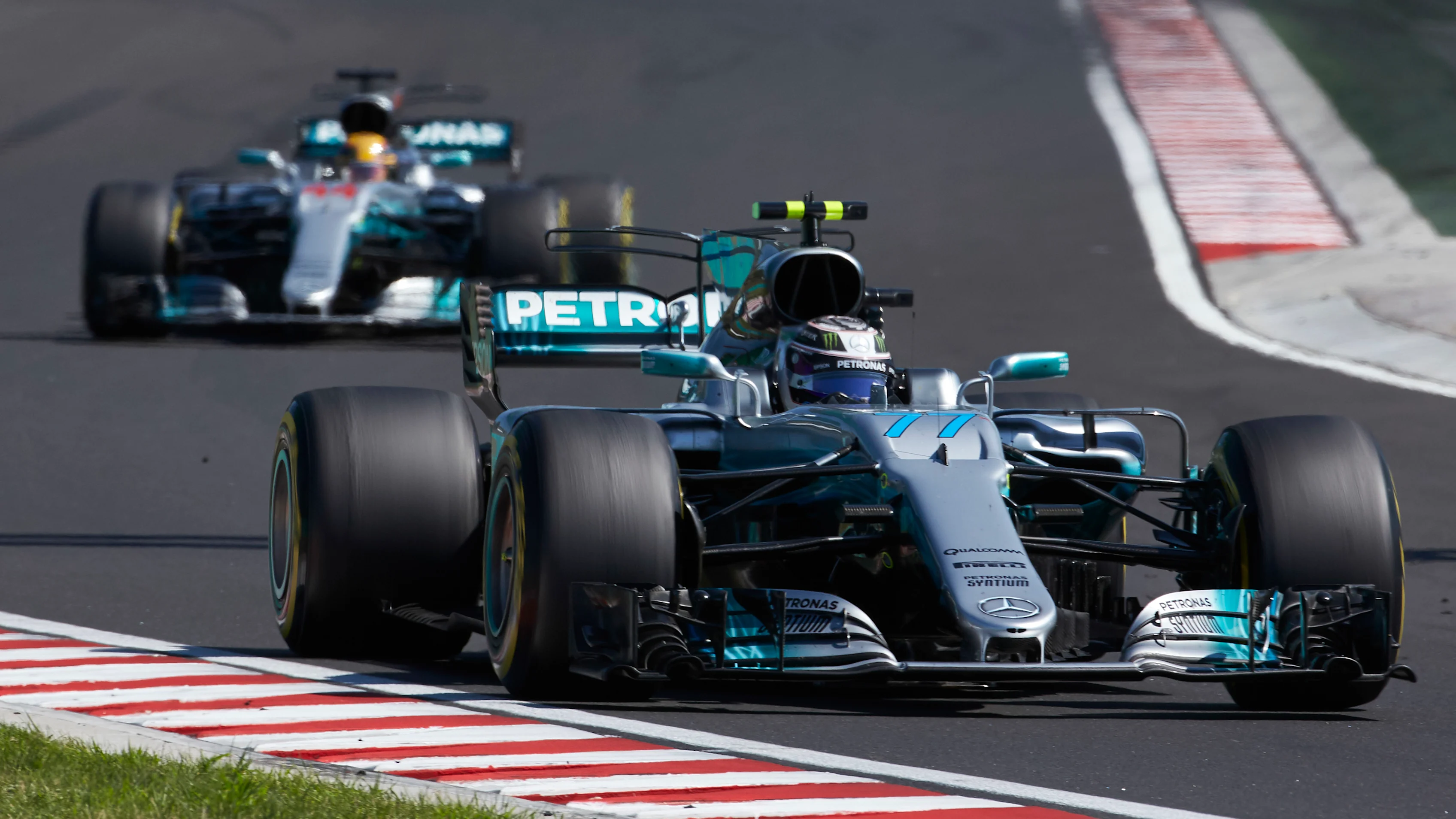
As mentioned earlier, Red Bull know what it is like for both cars to lose transmission – and the same can be said for Mercedes, whose radio issues came at a crucial time in their fight for both titles back in 2017.
While the Ferraris of Sebastian Vettel – who led the championship by one point from Hamilton at that stage – and Kimi Raikkonen held first and second positions during the Hungarian Grand Prix, Valtteri Bottas was running in third ahead of team mate Hamilton.
The decision was made to invert the cars in order for Hamilton – who looked to have more pace – to attempt to chase after the Scuderia machines. However, radio issues were affecting both Silver Arrows cars, with Team Principal Toto Wolff later explaining that “our whole comms and data systems broke down” due to a crack in a fibre optic cable, leaving the squad to “fly blind”.
These problems particularly affected Hamilton and, while the Briton did overtake Bottas, he later honoured the plan to hand the position back if he was unable to pass Raikkonen. Hamilton conceded afterwards, though, that the swap could have been carried out sooner had it not been for the radio struggles.
This all resulted in Hamilton’s deficit to Vettel extending to 14 points, causing some concern for Mercedes at the time – but as we now know, a successful run for the British driver in the second half would see him clinch his fourth World Championship.
Next Up
Related Articles
 How Norris' radio offer supported Stella's team-first ethos
 Mekies signs long-term contract extension with Red Bull
 Everything we know about F1’s all-new race in Rwanda
 The top 10 driver/team combination wins in F1 history
 When is the earliest Antonelli could win the title?
 ExclusiveCamara on the ‘crazy’ achievement of joining Haas in 2027